








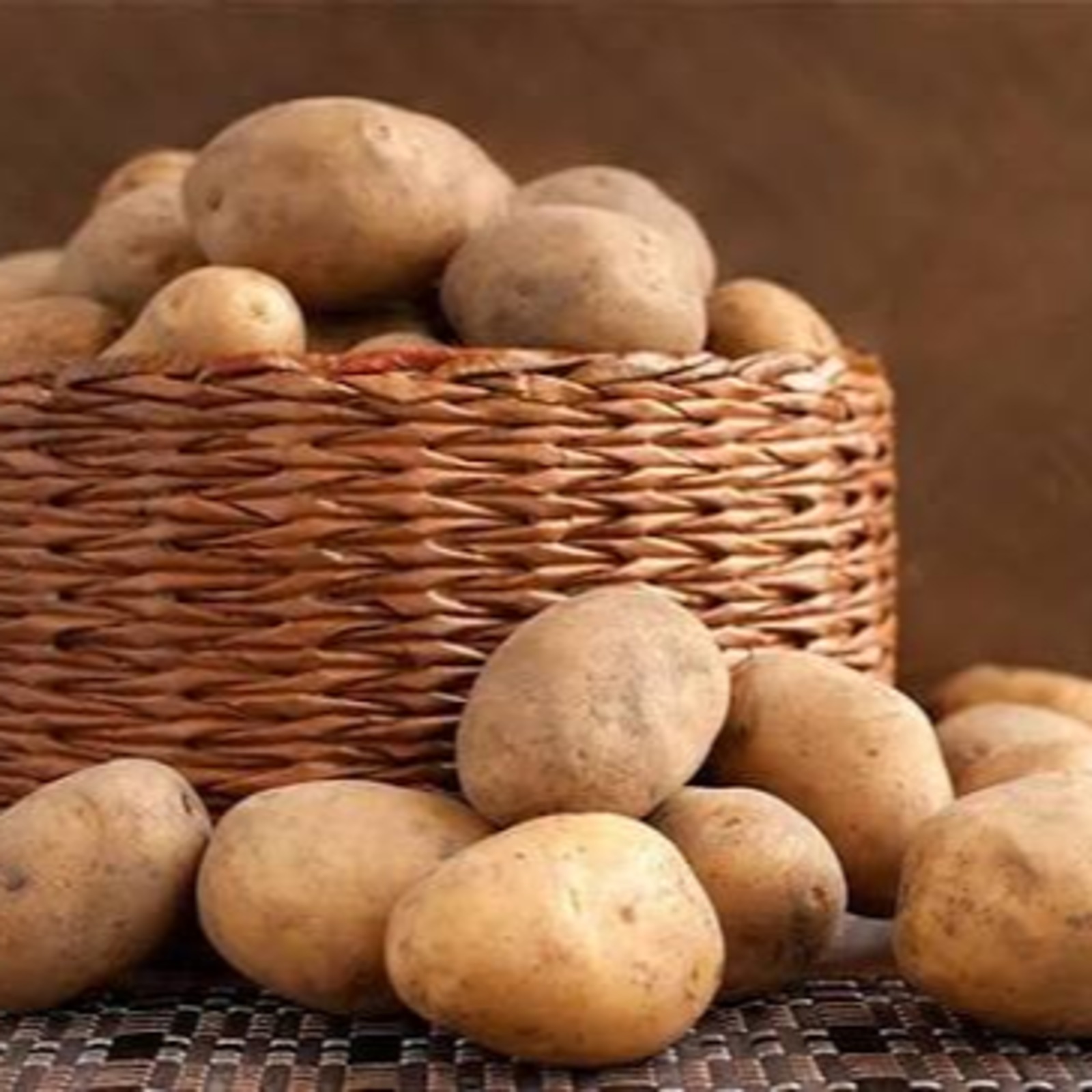
HEALTH,JS- Potatoes often receive mixed attention in discussions about healthy eating. Many people associate them with French fries, chips, and other high-calorie foods. However, the potato itself contains a range of nutrients that can support overall health when people prepare it with limited added fat and salt.
This versatile tuber provides carbohydrates, fiber, potassium, vitamin C, vitamin B6 and several plant compounds with antioxidant properties. Its nutritional value can also change depending on the variety, cooking method and whether people eat the skin.
Nutrition experts generally encourage people to look at the entire preparation method rather than judging potatoes solely by their carbohydrate content.
So, what can potatoes contribute to a healthy diet? Here is a closer look at their potential benefits.
1. Potatoes Provide Important Nutrients
Potatoes contain several nutrients that the body needs to maintain normal physiological functions.
Their carbohydrate content provides energy for daily activities, while potassium contributes to normal muscle and nerve function. Potatoes also provide vitamin C, which supports immune function and helps the body absorb non-heme iron from plant foods.
Vitamin B6 also plays an important role in normal protein metabolism and neurological function.
Therefore, potatoes can contribute useful nutrients to a balanced diet, particularly when people prepare them without excessive oil, butter or salt.
2. Fiber Can Support Digestive Health
Potatoes contain dietary fiber, particularly when people consume the skin.
Fiber supports digestive health by adding bulk to stool and helping maintain regular bowel movements. A diet that contains adequate fiber can also support a healthy gut environment.
Furthermore, potatoes contain resistant starch. This type of carbohydrate behaves differently from rapidly digested starch because part of it reaches the large intestine without complete digestion in the small intestine.
Gut bacteria can ferment resistant starch and produce short-chain fatty acids. These compounds can contribute to a healthy intestinal environment.
However, the amount of resistant starch can vary depending on how people prepare and store potatoes.
3. Resistant Starch May Help Increase Fullness
Potatoes can also play a role in a satisfying meal.
When people eat boiled or baked potatoes as part of a balanced meal, the combination of carbohydrates, fiber and water can provide substantial volume. This combination may help people feel full after eating.
Cooling cooked potatoes can also increase the amount of resistant starch that forms through a process known as retrogradation. Reheating the potatoes afterward can preserve some of that resistant starch.
Nevertheless, potatoes do not automatically cause weight loss. Portion size and the ingredients added during preparation still matter.
For people trying to manage their weight, boiled, steamed or baked potatoes generally offer a more practical option than heavily fried potato products.
4. Potassium Supports Normal Blood Pressure Regulation
Potatoes rank among common foods that provide potassium.
The mineral plays an important role in fluid balance, nerve signaling and muscle contraction. Potassium also interacts with sodium in the body’s regulation of blood pressure.
A diet that provides adequate potassium can support healthy blood pressure, particularly when people also limit excessive sodium intake.
However, eating potatoes alone cannot treat hypertension.
For this reason, replacing highly salted or heavily processed foods with potassium-rich whole foods can form part of a broader heart-healthy eating strategy.
5. Potatoes Provide Vitamin C
Many people associate vitamin C primarily with citrus fruits. However, potatoes can also contribute vitamin C to the diet.
Vitamin C functions as an antioxidant and supports normal immune-system activity. It also helps the body produce collagen, a protein involved in maintaining skin, blood vessels, bones and other tissues.
Cooking can reduce vitamin C because heat and water can affect the vitamin. Therefore, cooking methods that use less water or shorter cooking times can help preserve more of the nutrient.
Storage conditions also influence nutrient levels. Fresh potatoes generally provide more vitamin C than potatoes that have undergone prolonged storage.
6. Vitamin B6 Supports Metabolism and the Nervous System
Potatoes also provide vitamin B6, a nutrient involved in several metabolic processes.
The body uses vitamin B6 to help process amino acids and produce neurotransmitters. It also contributes to normal red blood cell formation and immune function.
Although potatoes cannot supply every nutrient required for healthy metabolism, including them alongside vegetables, protein sources, fruits and whole grains can help create a more varied diet.
A balanced eating pattern remains more important than relying on any single food.
7. Antioxidants Help Protect Cells
Potatoes contain several plant compounds with antioxidant properties. These include phenolic compounds, flavonoids and, depending on the potato variety, carotenoids.
Antioxidants help the body deal with oxidative stress by interacting with reactive molecules.
Different potato varieties can contain different concentrations of these compounds. Colored potatoes, including purple and red varieties, often contain distinctive pigments associated with antioxidant compounds.
However, researchers continue to study how these compounds affect long-term human health. Therefore, it remains inappropriate to claim that eating potatoes directly prevents diseases such as cancer or heart disease.
Instead, potatoes can contribute antioxidants as part of a varied diet rich in vegetables, fruits and other plant foods.
8. Potatoes Can Contribute to Energy Needs
Carbohydrates remain one of the body’s main sources of energy.
Potatoes contain starch, which the digestive system can break down into glucose. The body can then use glucose to support physical activity and normal cellular functions.
The speed at which potatoes affect blood glucose can vary depending on the potato variety, preparation method, serving size and what people eat alongside them.
Adding protein, healthy fats and fiber-rich foods to a meal can influence how quickly the body absorbs and processes carbohydrates.
Therefore, people do not need to eliminate potatoes simply because they contain carbohydrates. Instead, they can consider portion size and the overall composition of the meal.
9. Potatoes Naturally Contain No Gluten
Potatoes can become contaminated with gluten when they share cooking surfaces, utensils or frying oil with foods containing wheat, barley or rye.
People with celiac disease or medically diagnosed gluten sensitivity should therefore pay attention to food preparation and product labeling.
Plain baked, boiled or steamed potatoes can provide a convenient carbohydrate source for gluten-free meals.
10. Potatoes May Support Iron Intake in a Balanced Diet
Potatoes contain small amounts of iron and folate, although they should not serve as the sole strategy for preventing anemia.
Vitamin C from potatoes can also help the body absorb non-heme iron from plant foods when people consume them together.
For example, combining potatoes with beans, lentils, leafy green vegetables or other iron-containing foods can create a more nutrient-dense meal.
People with iron-deficiency anemia, however, should seek medical evaluation rather than relying on potatoes or other individual foods as treatment.
Why Cooking Methods Matter
The nutritional value of a potato-based meal depends heavily on preparation.
For everyday meals, people can consider several cooking methods.
Baking
Baking offers a simple way to prepare potatoes without adding large amounts of oil. People can eat the potato with its skin after washing it thoroughly.
Adding vegetables, beans, eggs, fish or lean protein can create a more balanced meal.
Steaming
Steaming limits direct contact with water and can help preserve some water-soluble nutrients compared with prolonged boiling.
This method also allows people to prepare potatoes without adding significant amounts of fat.
Boiling
Boiling remains another practical option. However, some water-soluble nutrients can move into the cooking water.
Roasting
Roasting can produce a flavorful potato dish without deep-frying. People can use a modest amount of oil and combine the potatoes with herbs, spices and vegetables.
The amount of oil remains important because oil increases the calorie density of the meal.
Why Deep-Fried Potatoes Require More Attention
French fries, potato chips and similar products can contain substantially more calories and fat than plain cooked potatoes because manufacturers or cooks add oil during preparation.
Commercial potato products can also contain significant amounts of sodium.
This does not mean people must completely avoid French fries. Instead, portion size and frequency matter, particularly for people who want to manage calorie intake, blood pressure or cardiovascular risk factors.(*)