




INTERNATIONAL,JS- Indonesia never runs out of extraordinary traditional foods. From Sabang to Merauke, every region preserves culinary treasures that reflect local culture, history, and natural wealth. One of the most unique traditional dishes now attracting global attention comes from Kerinci, a highland region famous for its stunning landscapes and rich traditions.
The dish carries a distinctive name: Lemang Kantong Semar.
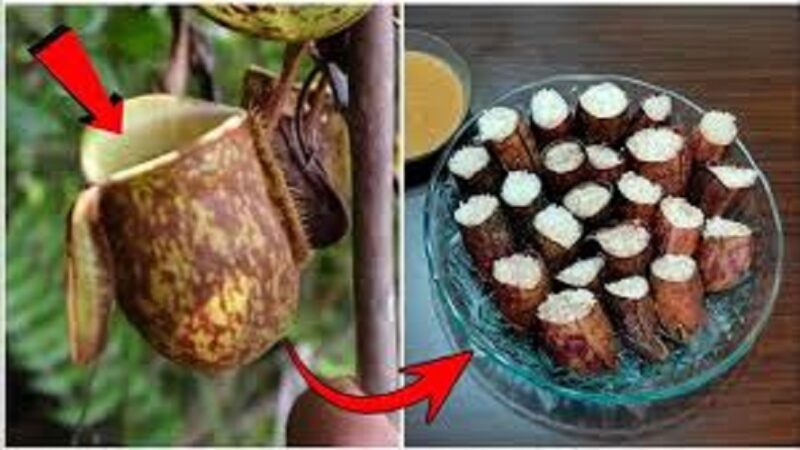
Unlike ordinary lemang that people usually cook inside bamboo, residents in several villages around Kerinci use the carnivorous plant known as Nepenthes or pitcher plant as a natural container for sticky rice. This rare cooking technique creates a unique aroma, distinctive texture, and unforgettable culinary experience.
Today, Lemang Kantong Semar not only represents local wisdom but also strengthens the image of Kerinci as one of Indonesia’s most promising culinary tourism destinations.
What Is Lemang Kantong Semar?
Lemang Kantong Semar is a traditional sticky rice delicacy prepared using the pitcher-shaped leaves of the Nepenthes plant. Local communities fill the plant’s pouch with glutinous rice mixed with coconut milk and a pinch of salt before steaming it until fully cooked.
For generations, rural communities in Kerinci have preserved this traditional recipe during family gatherings, cultural celebrations, and local ceremonies.
Now, culinary travelers increasingly search for authentic Indonesian foods like Lemang Kantong Semar because global tourism trends continue to favor unique cultural experiences and eco-tourism destinations.
The Fascinating Use of the Pitcher Plant in Traditional Cooking
The most interesting aspect of this traditional food lies in the use of the Nepenthes ampullaria plant.
This tropical carnivorous plant naturally grows in humid forests, mountainous areas, and peatlands across Southeast Asia. The plant usually traps insects inside its pouch-shaped leaves. However, communities in Kerinci discovered another creative function for the plant centuries ago.
Residents carefully select mature pitcher plants with larger pouches suitable for holding sticky rice. After cleaning the inside, they pour partially prepared glutinous rice mixed with coconut milk into the natural container.
The cooking process remains simple but highly traditional.
Villagers steam the filled pitchers until the sticky rice becomes soft and fragrant. During steaming, the natural fibers and moisture from the plant infuse the rice with a subtle herbal aroma that many food lovers describe as earthy, smoky, and slightly sweet.
This technique demonstrates how indigenous communities utilize natural resources creatively while maintaining harmony with the surrounding environment.
Rich Flavor and Distinctive Aroma Make Tourists Curious
Tourists visiting Kerinci often search specifically for Lemang Kantong Semar because they cannot easily find it elsewhere in Indonesia.
The dish delivers several layers of flavor in every bite:
- Savory coconut milk richness
- Soft and chewy sticky rice texture
- Mild herbal fragrance from the pitcher plant
- Slightly smoky steamed aroma
Many visitors compare the experience to tasting an ancient forest-inspired delicacy.
Unlike modern fast food, Lemang Kantong Semar offers authenticity, tradition, and a direct connection to nature. These qualities strongly appeal to international travelers seeking local culinary adventures in Southeast Asia.
In recent years, social media platforms like TikTok, Instagram, and YouTube also helped increase public curiosity about unusual Indonesian foods. Videos featuring Lemang Kantong Semar frequently attract attention because of the unique cooking method and rare visual appearance.
Kerinci Strengthens Its Position as a Culinary Tourism Destination
Located near the famous Kerinci Seblat National Park, Kerinci already attracts tourists because of its mountains, tea plantations, waterfalls, and biodiversity.
Now, traditional foods like Lemang Kantong Semar strengthen the region’s tourism appeal even further.
Local tourism communities and village-based tourism programs increasingly introduce the dish to domestic and international visitors. Several tourism villages now include traditional cooking demonstrations as part of their travel packages.
Visitors not only taste the food but also learn:
- How locals prepare the pitcher plants
- Traditional steaming techniques
- The cultural history behind the recipe
- The ecological importance of preserving native plants
This culinary experience creates additional economic opportunities for local residents, especially small food vendors and community tourism groups.
Local Wisdom and Environmental Awareness Must Go Together
Although Lemang Kantong Semar represents an important cultural tradition, environmental experts continue encouraging sustainable harvesting practices.
Some Nepenthes species receive legal protection in conservation areas because habitat destruction and illegal collection threaten their populations. Excessive harvesting could damage local ecosystems and reduce biodiversity in tropical forests.
Therefore, communities in Kerinci increasingly promote responsible use of the plant.
Several local groups now encourage:
- Controlled harvesting methods
- Community-based cultivation programs
- Environmental education for tourists
- Sustainable eco-tourism initiatives
This balance between cultural preservation and environmental protection remains crucial for the long-term future of Lemang Kantong Semar.
Without proper conservation efforts, future generations may lose access to both the traditional recipe and the rare plants that make the dish possible.
Why Lemang Kantong Semar Has Strong Global Tourism Potential
Global culinary tourism continues growing rapidly. Travelers now actively search for authentic food experiences connected to local culture, history, and sustainability.
Lemang Kantong Semar fits perfectly into this trend.
Several factors increase its international tourism potential:
- Unique Cooking Method
Very few traditional foods worldwide use carnivorous plants as cooking containers.
- Strong Visual Appeal
The unusual appearance attracts social media users and travel influencers.
- Eco-Tourism Connection
Travelers increasingly prefer sustainable and nature-based experiences.
- Cultural Authenticity
The dish reflects genuine indigenous traditions rather than commercialized tourism products.
- Culinary Storytelling
Every serving carries stories about forests, biodiversity, and local wisdom.
Because of these strengths, many tourism observers believe Kerinci could develop Lemang Kantong Semar into a globally recognized gastronomic icon similar to famous regional foods from Thailand, Japan, or South Korea.
Indonesian Traditional Foods Continue Gaining International Attention
Indonesia possesses one of the world’s richest culinary cultures. International audiences increasingly discover traditional Indonesian dishes through digital platforms, culinary documentaries, and travel content creators.
Foods like Rendang, Satay, and Nasi Goreng already achieved worldwide popularity. Meanwhile, rare dishes such as Lemang Kantong Semar offer fresh opportunities for Indonesia to showcase lesser-known regional traditions.
As culinary tourism expands across Asia, unique local foods often become powerful promotional tools for regional economies.
Kerinci now holds a valuable opportunity to position itself as one of Indonesia’s top hidden culinary destinations.
FAQ
What is Lemang Kantong Semar?
Lemang Kantong Semar is a traditional sticky rice dish from Kerinci, Jambi, cooked inside the pouch of a Nepenthes pitcher plant.
Why do people use pitcher plants for cooking?
Local communities use the plant because it creates a distinctive natural aroma and serves as an eco-friendly cooking container.
What does Lemang Kantong Semar taste like?
The dish tastes savory, slightly fragrant, soft, and mildly earthy because of the natural characteristics of the pitcher plant.
Is the pitcher plant dangerous to eat?
No. Communities only use the plant as a cooking container. The sticky rice remains safe for consumption.
Where can tourists find Lemang Kantong Semar?
Tourists can find it in several traditional villages and culinary tourism areas around Kerinci, Jambi.
Why is this food becoming popular online?
Its rare cooking process, exotic appearance, and strong cultural story attract social media audiences and culinary travelers worldwide.
Conclusion
Lemang Kantong Semar stands as one of Indonesia’s most fascinating traditional foods. The dish combines culinary creativity, local wisdom, environmental awareness, and cultural identity into a single unforgettable experience.
As global travelers increasingly search for authentic and sustainable tourism experiences, Kerinci holds enormous potential to transform this rare delicacy into an internationally recognized culinary icon.
With proper conservation efforts, stronger tourism promotion, and community participation, Lemang Kantong Semar could become one of the strongest symbols of Indonesia’s rich gastronomic heritage.(*)