







INTERNATIONAL,JS- Mexico’s e-commerce market continues to attract global businesses, with Mercado Libre, Amazon and major retail chains competing for online shoppers. The market offers opportunities for sellers and brands, while payment preferences, delivery networks and seasonal shopping events shape the digital retail landscape.
Mexico’s E-Commerce Market Enters a New Growth Phase
Mexico has emerged as one of Latin America’s most dynamic e-commerce markets. Industry estimates point to a potential market value of $62 billion, highlighting the growing role of online shopping in the country’s retail economy.
As more consumers shop online, businesses face increasing pressure to offer competitive prices, convenient payments and reliable delivery. Meanwhile, international brands and local retailers continue to invest in digital sales channels to reach more customers.
Mercado Libre and Amazon Lead the Competition
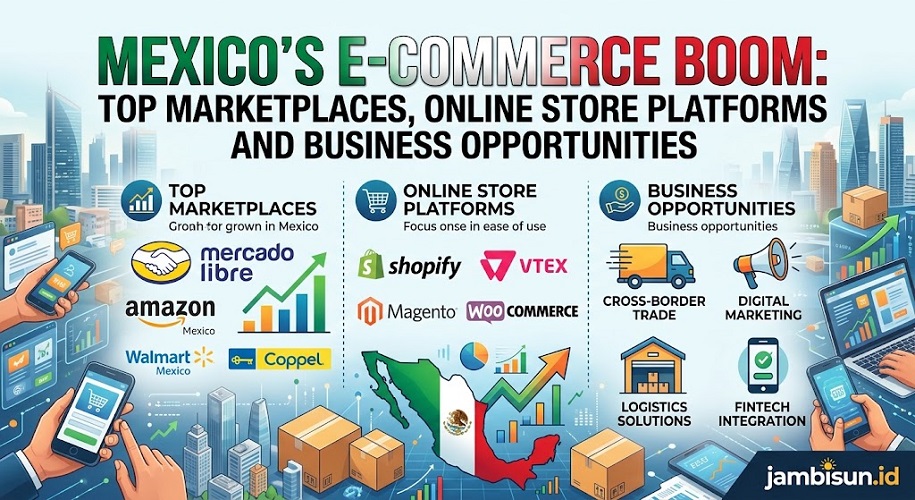
Mercado Libre remains a major force in Mexico’s online retail sector. Its marketplace connects consumers with businesses of different sizes, while Mercado Pago provides payment services and its logistics network supports order fulfillment.
Amazon Mexico also attracts shoppers through its broad product selection, delivery services and Prime membership. Its international network gives consumers access to products from multiple markets, although delivery times and availability vary by item.
Other retailers compete in specific product categories. Walmart Mexico focuses on groceries and household goods through its combination of physical stores and online services. Meanwhile, Coppel and Liverpool strengthen their digital businesses in categories such as fashion, electronics and home products.
International platforms, including Temu, AliExpress and Shein, add further competition, particularly in affordable consumer goods and fashion.
Shopify and Other Platforms Help Businesses Build Online Stores
Businesses that want greater control over their digital sales can choose platforms that support independent online stores.
Shopify offers tools for building storefronts, managing products and processing orders. Its app ecosystem also helps merchants connect payment services, shipping providers and marketing tools, depending on local availability.
Larger companies may prefer Adobe Commerce, formerly known as Magento, because it supports extensive customization and complex retail operations. However, businesses often need technical expertise to manage integrations, maintenance and tax requirements.
Salesforce Commerce Cloud serves enterprise retailers that need advanced customer experiences and integrated digital commerce operations. VTEX, meanwhile, offers capabilities for businesses seeking to connect online sales with physical stores, inventory systems and other sales channels.
The best platform depends on business size, operating costs, technical resources and the payment methods customers prefer.
Cash Payments Remain Important in Mexico
Payment preferences create a distinct challenge for online retailers in Mexico. Although digital payments continue to expand, some consumers still prefer cash-based options.
Services such as OXXO Pay allow participating merchants to offer customers a way to place orders online and complete payment at participating convenience stores. Availability depends on the merchant and payment provider.
Consequently, sellers should evaluate local payment preferences before launching a store. Supporting appropriate payment options can help reduce checkout friction and make online purchases more accessible.
Hot Sale and El Buen Fin Drive Shopping Demand
Seasonal promotions provide important opportunities for retailers to attract shoppers and increase sales.
Hot Sale, organized by the Mexican Online Sales Association (AMVO), promotes online shopping through participating retailers and brands. The event gives businesses an opportunity to attract new customers through discounts and digital marketing campaigns.
El Buen Fin, Mexico’s major nationwide shopping promotion, also encourages consumers to purchase products through participating physical and online stores. Retailers typically compete through special offers across electronics, household goods, fashion and other categories.
Businesses that prepare inventory, delivery capacity and promotional campaigns in advance can respond more effectively to higher demand during these events.
What Mexico’s E-Commerce Growth Means for Businesses
Mexico offers opportunities for local merchants and international brands, but entering the market requires more than launching a website.
Businesses need to assess product demand, shipping costs, import requirements, taxes, payment options and customer service in Spanish. They should also compare marketplace fees with the costs of operating an independent online store.
For smaller sellers, an established marketplace can provide access to an existing customer base. Larger brands may benefit from combining marketplace sales with their own websites.
As competition intensifies, retailers that understand local shopping habits and deliver a convenient buying experience can strengthen their position in Mexico’s expanding digital economy.(*)