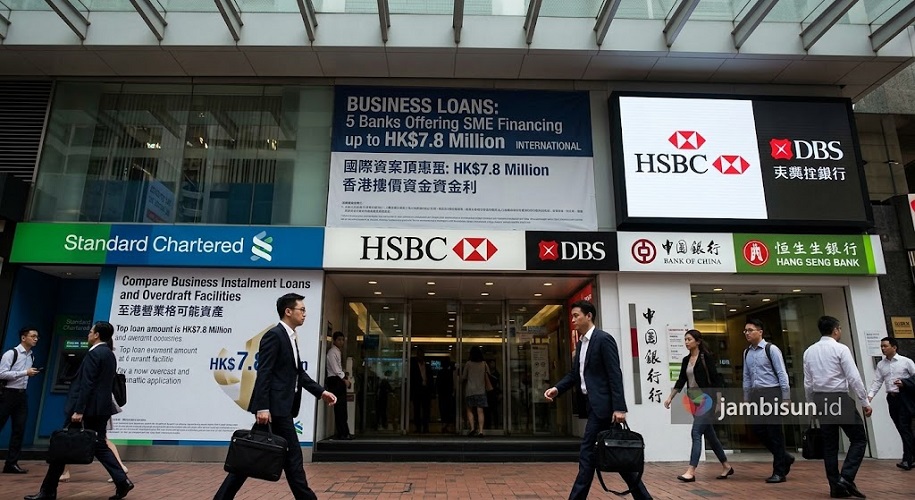
INTERNATIONAL,JS- Small and medium-sized enterprises (SMEs) in Hong Kong have several financing options to support business expansion, manage cash flow and cover daily operating expenses. Major banks offer business instalment loans with different borrowing limits, repayment periods and documentation requirements.
Some lenders provide unsecured financing, allowing eligible businesses to apply without pledging physical assets. However, applicants must still meet each bank’s eligibility criteria, pass credit assessments and provide the required business information.
For companies seeking additional funding, the Hong Kong government’s SME Financing Guarantee Scheme (SFGS) can also help eligible businesses access financing through participating lenders.
Here is a closer look at five major banks that offer business financing options in Hong Kong, along with their key features, general requirements and application considerations.
1. DBS Hong Kong: Business Loans for SMEs
DBS Hong Kong offers business financing solutions for companies that need working capital or funds to expand their operations.
According to the product information provided, eligible businesses can apply for unsecured financing of up to HK$3 million. Companies that can provide acceptable collateral may qualify for larger facilities of up to HK$10 million.
The stated maximum repayment period reaches seven years, depending on the selected facility and the bank’s approval.
DBS also provides financing solutions for different business needs, including working capital, operational expenses and expansion projects. Some application routes offer preliminary decisions within a few working days.
However, applicants should distinguish between preliminary approval and final loan approval. The bank may request additional information before it releases the funds.
Businesses should review the latest terms directly with DBS before submitting an application, particularly when they want to apply without audited financial statements.
2. Bank of China (Hong Kong): Unsecured Business Financing
Bank of China (Hong Kong), or BOCHK, offers unsecured financing products for eligible SMEs that need additional working capital.
The product information supplied lists a maximum borrowing amount of HK$2 million and a repayment period of up to five years.
An unsecured loan can help a company access funds without pledging property or other physical assets. Nevertheless, the bank still evaluates the applicant’s financial position, business activities and repayment capacity.
Some financing products may offer faster processing or promotional interest rates during specified periods. Businesses should confirm whether any advertised promotion remains available, as eligibility conditions and campaign dates can change.
Entrepreneurs can review the bank’s official product information here:
https://www.bochk.com/en/smeinone/unsecured.html
Before applying, business owners should compare the interest rate, processing fees, repayment schedule and any early repayment charges.
3. Standard Chartered Hong Kong: Flexible Instalment Loans
Standard Chartered Hong Kong provides business instalment loans for companies that need financing for working capital and other commercial purposes.
The supplied product information lists financing of up to HK$7.8 million, with repayment periods of up to five years, subject to the applicable product terms and credit approval.
One feature worth examining is the possibility of a principal moratorium. Under an approved arrangement, a borrower may postpone principal repayments for a specified period, potentially improving short-term cash flow.
However, a principal moratorium does not necessarily mean that the borrower can suspend all payments. Interest may remain payable throughout the agreed period, depending on the loan contract.
The bank also provides online application facilities for eligible customers. Before choosing this option, companies should confirm the maximum loan amount available to their business category and whether the application requires additional financial documents.
Read the bank’s product information at:
https://www.sc.com/hk/business-loans-working-capital/business-instalment-loan/
4. HSBC Hong Kong: Financing for Business Cash Flow
HSBC Commercial Banking offers business instalment loans that can help eligible companies manage expenses, purchase equipment and finance expansion.
The supplied information lists unsecured financing of up to HK$1.5 million. Eligible applicants may also explore financing linked to the SME Financing Guarantee Scheme, with different borrowing limits and conditions.
A fixed monthly repayment structure can help business owners prepare budgets and forecast cash flow. However, the actual repayment amount depends on the approved principal, interest rate, loan term and applicable fees.
HSBC may request business registration documents, bank statements and other evidence of financial performance. The bank determines its documentation requirements according to the applicant’s circumstances and the financing product.
Companies should not assume that every unsecured application qualifies for simplified documentation. A lender may request additional records when it needs to assess the company’s financial strength or repayment ability.
Business owners can find further details here:
https://www.business.hsbc.com.hk/en-gb/products/business-instalment-loan
5. Hang Seng Bank: Instalment Loans and Overdraft Facilities
Hang Seng Bank offers business financing options for companies that need funds for daily operations or longer-term commercial plans.
The supplied product information lists business loans of up to HK$2 million, with repayment periods of up to five years, subject to approval and the relevant product conditions.
Businesses may also consider an overdraft facility. Unlike a conventional instalment loan, an overdraft allows an eligible customer to draw funds within an approved credit limit when needed.
An instalment loan may suit a company that requires a specific amount for equipment purchases, expansion or a planned investment. An overdraft may better suit a business that experiences seasonal fluctuations in cash flow.
Nevertheless, companies should compare interest calculations, facility fees, repayment obligations and renewal conditions before selecting either option.
Explore the bank’s business financing products here:
https://www.hangseng.com/en-hk/business/scale-your-business/lending-business-loan/
SME Financing Guarantee Scheme: An Alternative for Businesses Without Sufficient Collateral
Businesses that cannot provide enough collateral may also consider Hong Kong’s SME Financing Guarantee Scheme.
The scheme supports eligible businesses by providing government-backed guarantees for qualifying loans from participating lenders. Depending on the applicable programme, the guarantee may cover a specified percentage of the approved financing.
The supplied information identifies guarantee arrangements that may cover 80% or 90% of a loan. Certain participating lenders also advertise financing limits of up to HK$18 million under eligible programmes.
However, these figures do not represent a universal entitlement. The maximum loan amount, guarantee percentage, repayment period and eligibility rules depend on the specific scheme and participating lender.
The scheme also does not eliminate the borrower’s repayment obligations. Businesses remain responsible for repaying their loans according to the signed agreement, even when a government guarantee supports part of the lender’s exposure.
The Hong Kong Mortgage Corporation Insurance Limited (HKMCI) administers relevant guarantee arrangements. Applicants generally approach a participating bank to discuss eligibility and submit their financing applications.
Businesses can review additional information through the following resources:
- HKMCI: https://www.hkmc.com.hk/
- DBS Hong Kong: https://www.dbs.com.hk/sme/financing/dbs-business-financing-solutions
- ICBC (Asia): https://www.icbcasia.com/hk/en/commercial/sme-financing/sme-loan-services/default.html
General Eligibility Requirements for Hong Kong Business Loans
Although each lender applies its own assessment criteria, businesses should prepare to demonstrate that they operate legally and can repay the requested financing.
1. Valid Business Registration
Applicants generally need valid business registration documents. Depending on the company’s legal structure, the bank may request a Business Registration Certificate, Certificate of Incorporation and other corporate records.
The bank may also require information about directors, shareholders, beneficial owners and authorised signatories.
2. Established Business Operations
Some financing products target established businesses rather than newly formed companies.
The supplied product information indicates that certain lenders may consider businesses with one to three years of operating history. However, this requirement varies by product, and applicants should verify the relevant criteria directly with the bank.
3. Credit History and Repayment Capacity
Banks review an applicant’s financial position and ability to meet its repayment obligations.
A strong payment record, stable business activity and sufficient cash flow can support an application. Existing debts, irregular revenue or previous payment problems may affect the bank’s assessment.
Approval does not depend on business registration alone. The lender must also evaluate the financial risks associated with the proposed loan.
4. Personal Guarantees
Some banks may require directors or major shareholders to provide personal guarantees, particularly when a limited company applies for unsecured financing.
A personal guarantee can create financial obligations for the individual who signs it. Applicants should therefore read the guarantee terms carefully and seek independent professional advice if they do not understand their potential liability.
Documents Businesses Should Prepare Before Applying
Preparing the required documents can help companies organise their applications and respond more efficiently to a bank’s requests.
Depending on the lender and financing product, applicants may need:
- A completed business loan application form.
- A valid Business Registration Certificate and relevant incorporation documents.
- Recent bank statements, often covering the previous three to six months.
- Hong Kong identity cards or passports for relevant owners, directors and guarantors.
- Management accounts, financial statements or audited accounts when the bank requires them.
- Information about existing loans, outstanding liabilities and business cash flow.
- Supporting documents that explain the intended use of the funds.
Not every applicant must submit every document listed above. Some products may waive audited accounts at the application stage, while larger financing requests or more complex cases may require more extensive financial evidence.
Applicants should obtain the bank’s current document checklist before submitting their applications.
How to Compare Business Loan Costs Before Borrowing
The maximum advertised loan amount should not become the only factor in a financing decision.
Business owners should compare the annual interest rate, effective borrowing cost, processing fees, repayment period and early repayment conditions. They should also determine whether the bank charges interest on a fixed or variable basis.
A longer repayment period may reduce monthly instalments, but it can increase the total interest paid over the life of the loan. Conversely, a shorter term may reduce total interest while placing greater pressure on monthly cash flow.
Companies should also consider whether they need a lump-sum instalment loan or a revolving facility for short-term working capital.
Before signing an agreement, applicants should request a repayment schedule and calculate whether expected business income can comfortably cover the instalments under different operating conditions.
Conclusion
Hong Kong SMEs can explore business financing through DBS, Bank of China (Hong Kong), Standard Chartered, HSBC and Hang Seng Bank. Each lender offers different financing structures, borrowing limits and repayment conditions.
The SME Financing Guarantee Scheme may provide another route for eligible companies that lack sufficient collateral. However, government-backed guarantees do not automatically secure loan approval or remove the borrower’s repayment responsibilities.
Business owners should verify the latest product terms with participating banks, compare the total borrowing costs and prepare the necessary documentation before applying. A financing decision that matches the company’s cash flow and business objectives can help support sustainable growth without creating unnecessary financial pressure.(*)