








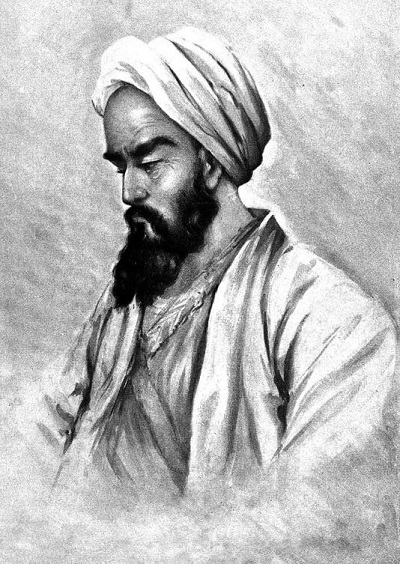
INTERNATIONAL,JS- Around one thousand years ago, the Islamic world reached an extraordinary intellectual peak known as the Golden Age of Islam. Most importantly, they transformed medicine and healthcare in ways that still influence modern science.
This article highlights how Muslim scholars advanced medical knowledge and how their ideas later reached Europe through translations and academic study. Western universities relied heavily on these works for centuries.
Muslim physicians treated medicine as a rigorous science. They observed patients carefully, tested treatments, documented results, and corrected earlier theories when evidence demanded change. As a result, Islamic medicine moved far beyond trial and error and laid the foundations of evidence-based practice.
Mental Health Through Music: Al-Farabi
Al-Farabi focused on the human mind rather than physical illness. Even so, his ideas strongly influenced mental health studies. He believed music could restore psychological balance and improve emotional well-being.
IMoreover, he described how specific melodic modes could generate feelings of peace and empathy. He documented these ideas in Kitab al-Musiqa al-Kabir, which later inspired early forms of music therapy.
Advancing Pharmacology: Ibn al-Baytar
As Islamic civilization expanded into Andalusia, it produced leading scientists such as Ibn al-Baytar. He combined medicine, botany, and pharmacy into one systematic field of study.
Ibn al-Baytar traveled from Spain across North Africa to Anatolia in search of medicinal plants. He tested their effects directly and recorded accurate results. In 1224, he began serving Sultan al-Kamil as a chief herbal expert.
Furthermore, his most famous book, Compendium of Simple Drugs and Foods, cataloged around 1,400 plants, foods, and medicines. Through another major work, Al-Mughni fi al-Adwiya al-Mufrada, he provided physicians with a practical pharmacological encyclopedia that shaped medical treatment for generations.
Clinical Observation and Pediatrics: Abu Bakr al-Razi
Abu Bakr al-Razi strengthened clinical medicine through careful observation and experimentation. He wrote more than 200 books and articles, many of which addressed practical medical problems.
Most notably, Al-Razi distinguished smallpox from measles for the first time in medical history through his book Al-Judari wa al-Hasbah. In addition, he examined how the human eye reacts to light, which later influenced ophthalmology.
At the same time, he standardized pharmaceutical tools and laboratory equipment, including flasks, mortars, and measuring instruments. Because he emphasized child healthcare, historians often recognize him as a pioneer of pediatrics, as well as an early contributor to obstetrics and eye medicine.
Understanding Blood Circulation: Ibn al-Nafis
Ibn al-Nafis reshaped anatomical science through direct study of the human body. He accurately explained pulmonary circulation, describing how blood travels from the heart to the lungs and back again.
In addition, he identified capillaries and explained how coronary arteries supply oxygen and nutrients to the heart muscle. By challenging earlier Greek theories, Ibn al-Nafis introduced a more accurate understanding of cardiovascular physiology.
The Canon of Medicine: Ibn Sina
Among all Muslim physicians, Ibnu Sina achieved unmatched influence. His masterpiece, Al-Qanun fi al-Tibb (The Canon of Medicine), served as a standard medical textbook in European universities until the late seventeenth century.
Ibn Sina introduced innovative treatment methods, including subcutaneous injections. He also identified diseases caused by parasites such as hookworms and filaria. Moreover, he developed techniques to stop bleeding through vessel ligation and cauterization.
Beyond physical illness, Ibn Sina addressed mental disorders. He successfully treated psychological delusions by combining behavioral therapy with controlled emotional shock, proving his deep understanding of both body and mind.
A Legacy That Endures
In conclusion, modern medicine did not emerge in isolation. Instead, it grew from centuries of intellectual effort led by Muslim scholars during the Islamic Golden Age. Their commitment to observation, experimentation, and documentation shaped medical science as we know it today.
These scholars did more than preserve ancient knowledge—they refined it, expanded it, and passed it forward. (*)