








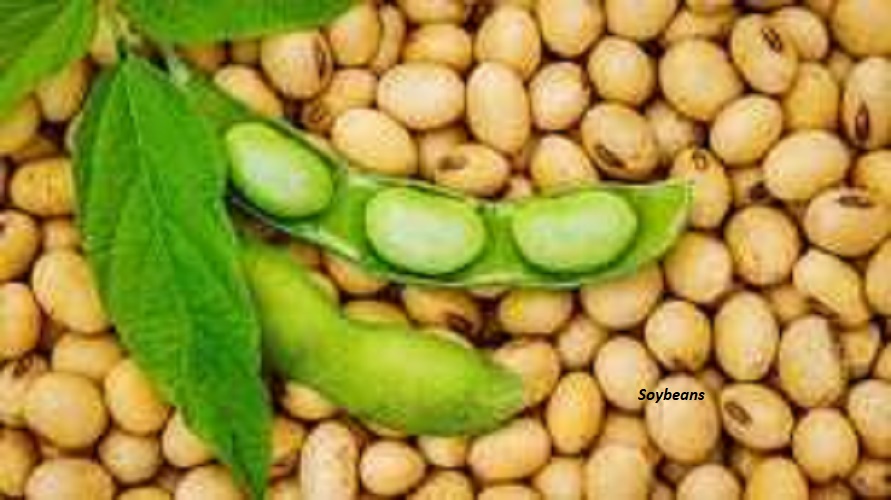
EALTH,JS- Soybeans offer an affordable and versatile source of nutrition that can support several aspects of human health. Rich in plant-based protein, dietary fiber, unsaturated fats, and essential minerals, these legumes provide nutrients that help the body maintain normal functions.
People can enjoy soybeans in various forms, including tofu, tempeh, edamame, and soy milk. Each option offers a convenient way to add plant protein to everyday meals. However, processing methods and added ingredients can affect the nutritional value of the final product.
Soybeans also contain isoflavones, natural plant compounds that researchers continue to study for their potential health benefits.
So, what makes soybeans a valuable addition to a balanced diet? Here are seven potential health benefits worth understanding.
1. Soybeans Support Heart Health
Heart health remains an important concern for people of all ages. A balanced diet that includes plant-based protein can help support cardiovascular health, and soybeans offer several nutrients that contribute to this goal.
First, soybeans contain unsaturated fats, which can help improve blood cholesterol levels when they replace foods rich in saturated fat. They also provide plant protein and fiber, two components that support a heart-friendly eating pattern.
Research suggests that soy protein can modestly reduce LDL cholesterol, commonly known as bad cholesterol.
In addition, replacing some red and processed meat with tofu, tempeh, or other soy foods can help people reduce their saturated fat intake.
However, soybeans alone cannot prevent heart attacks or strokes. Regular physical activity, avoiding tobacco, maintaining a healthy weight, and managing blood pressure remain important parts of cardiovascular care.
2. Soybeans May Help Manage Blood Sugar
People who want to maintain healthy blood sugar levels can consider adding soybeans to a balanced meal plan. Their combination of protein, fiber, and relatively low amounts of digestible carbohydrates in some forms can help support a steady post-meal blood sugar response.
Unlike foods that mainly provide refined carbohydrates, whole soybeans also supply protein and fat.
Nevertheless, soybeans do not replace diabetes medication or medical treatment. Their effects on blood glucose depend on portion size, preparation methods, and the other foods in a meal.
People should also check product labels. Sweetened soy milk and processed soybean snacks may contain added sugar, sodium, or other ingredients that affect their overall nutritional value.
3. Soybeans Provide Nutrients for Strong Bones
Healthy bones require adequate protein, calcium, magnesium, phosphorus, and other nutrients. Soybeans contribute several of these components, making them useful for people who want to maintain bone health as they age.
Protein helps maintain muscles and supports the structures that surround the skeleton. Meanwhile, calcium and phosphorus contribute to normal bone structure, and magnesium supports various processes involved in bone metabolism.
However, the calcium content of soy foods varies considerably. Calcium-set tofu can provide substantial amounts, while other tofu products may contain much less. Fortified soy milk can also supply calcium and vitamin D, depending on the product.
Soy isoflavones have attracted scientific interest because of their potential effects on bone metabolism, particularly among women after menopause. However, researchers continue to investigate how much these compounds contribute to long-term bone health.
People can support their bones by combining nutritious meals with weight-bearing exercise, adequate vitamin D, and sufficient calcium. Anyone with osteoporosis should follow a healthcare professional’s recommendations rather than rely on soy products alone.
4. Soy Isoflavones May Ease Certain Menopause Symptoms
Menopause brings hormonal changes that can affect sleep, comfort, and everyday activities. Some women experience hot flashes, night sweats, and other symptoms as estrogen levels decline.
Soybeans contain isoflavones, including genistein and daidzein. These compounds belong to a group called phytoestrogens because they can interact with estrogen receptors in the body.
Some studies suggest that soy isoflavones may reduce the frequency or severity of hot flashes in certain women. However, the results vary, and not everyone experiences noticeable relief.
Women who experience severe symptoms should discuss suitable treatment options with a healthcare professional. Anyone with a history of hormone-sensitive cancer should seek individualized advice before using concentrated isoflavone supplements.
5. Soybeans Can Support Healthy Weight Management
Managing body weight involves several factors, including food choices, physical activity, sleep, and overall calorie intake. Soybeans can support this process because they provide protein, fiber, and other nutrients that help create satisfying meals.
Protein contributes to muscle maintenance and can help people feel full after eating. Fiber also supports fullness and helps maintain normal bowel function.
For example, someone who replaces a high-calorie processed snack with a suitable portion of edamame may improve the nutritional quality of their diet. Similarly, tofu can serve as a protein source in vegetable stir-fries, soups, and salads.
Still, eating soybeans does not automatically lead to weight loss. Large portions, deep-frying, sugary sauces, and calorie-dense additions can increase the energy content of a meal.
A practical approach combines reasonable portions of soy foods with vegetables, whole grains, fruit, and regular physical activity.
6. Soybeans May Contribute to a Cancer-Protective Diet
Scientists have investigated the relationship between soy consumption and several types of cancer, including breast and prostate cancer. Isoflavones and other soybean compounds have attracted attention because of their biological activity.
However, the evidence requires careful interpretation. Studies of populations that regularly eat traditional soy foods have found associations between soy consumption and certain health outcomes, but these findings do not prove that soybeans directly prevent cancer.
Whole foods provide protein, fiber, and a range of nutrients, while supplements can deliver much higher doses of isolated compounds.
For most healthy adults, moderate consumption of traditional soy foods can fit comfortably into a balanced diet. People should not use soybeans as a substitute for cancer screening, professional medical advice, or established treatment.
A varied diet rich in vegetables, fruits, whole grains, and legumes remains a sensible approach to supporting long-term health.
7. Soybeans Help Maintain Digestive Health
Fiber also supports beneficial microorganisms in the large intestine. Certain fermentable carbohydrates in legumes can serve as food for gut bacteria, although individual responses vary.
Preparation also matters. Cooking soybeans thoroughly improves their texture and makes them easier to eat.
Soybean Nutrition: What Does a Serving Provide?
Soybeans supply protein, unsaturated fats, fiber, and several essential minerals. However, their nutritional composition depends on the variety, cooking method, moisture content, and processing technique.
For example, cooked whole soybeans generally contain more protein per 100 grams than some tofu products because tofu contains varying amounts of water. Fortified soy milk may provide calcium and vitamin D that naturally occur in smaller amounts in other soy products.
The following table summarizes the main nutrients and their roles.
| Nutrient | Main nutritional role |
|---|---|
| Plant-based protein | Supports muscle maintenance and tissue repair |
| Dietary fiber | Supports digestion and bowel regularity |
| Unsaturated fats | Help support healthy blood cholesterol when replacing saturated fats |
| Iron | Supports oxygen transport in the body |
| Magnesium | Supports muscle, nerve, and metabolic functions |
| Phosphorus | Contributes to bones, teeth, and normal cellular function |
| Isoflavones | Plant compounds studied for their potential biological effects |
Rather than focusing on a single nutrient, people should consider the overall nutritional value of their meals. Soybeans work particularly well when they complement vegetables, whole grains, and other nutrient-rich foods.
How to Add Soybeans to Your Daily Meals
Adding soybeans to everyday meals does not require expensive ingredients or complicated recipes. Several familiar foods offer convenient ways to enjoy their nutritional benefits.
- Breakfast: Choose unsweetened soy milk or add edamame to a savory breakfast bowl.
- Lunch: Include tofu or tempeh in a vegetable stir-fry, soup, or salad.
- Dinner: Serve cooked soybeans alongside vegetables and whole grains.
- Snacks: Enjoy boiled edamame instead of highly processed snacks.
- Meal preparation: Use tofu or tempeh as a protein source in home-cooked dishes.
Choosing minimally processed products and limiting excess salt, sugar, and added fats can also improve the nutritional quality of meals.
Who Should Be Careful When Eating Soybeans?
Although soy foods suit many people, certain individuals need to take additional precautions.
People with a soy allergy should avoid soy products and follow appropriate medical advice. Those who take thyroid medication, particularly levothyroxine, should ask their healthcare professional or pharmacist how to time soy consumption because soy can interfere with medication absorption under certain circumstances.
For most people, traditional soy foods can form part of a varied diet. However, concentrated isoflavone supplements deserve more caution because their doses and effects differ from those of ordinary foods.
The Bottom Line
Soybeans offer a practical way to increase plant-based protein intake while supplying fiber, unsaturated fats, minerals, and isoflavones.
Some research also suggests potential benefits for blood sugar management, bone health, and menopause symptoms.
The most useful approach is to treat soybeans as one component of a varied, balanced diet. Combined with regular exercise, healthy lifestyle habits, and appropriate medical care, these versatile legumes can contribute to long-term health and well-being.(*)