INTERNATIONAL,JS- Choosing the right car insurance policy in India requires more than finding the cheapest premium. Drivers also need reliable claims support, convenient repair options, transparent policy terms and coverage that matches their vehicles.
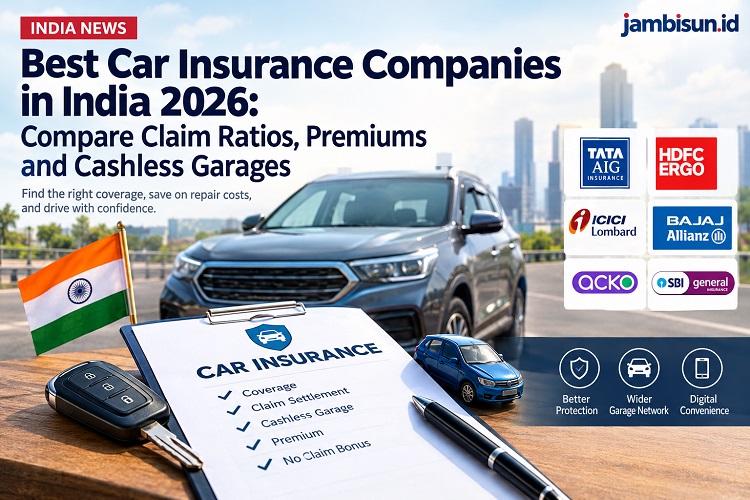
Several insurers compete for customers in 2026, including TATA AIG, HDFC ERGO, ICICI Lombard, Bajaj Allianz, ACKO and SBI General Insurance. Each company offers different advantages, so drivers should compare the available benefits before purchasing or renewing a policy.
Claim settlement figures and cashless garage networks can help narrow the options. However, these numbers do not tell the whole story. A large garage network does not guarantee that every workshop will offer cashless repairs, while a high claim settlement ratio does not guarantee approval for every individual claim.
Drivers should also examine deductibles, exclusions, repair limits and optional benefits. These details can affect the final cost of ownership when an accident or unexpected repair occurs.
Top Car Insurance Providers to Compare in 2026
The following insurers offer options worth considering when comparing comprehensive car insurance in India. The figures below reflect the supplied reference data, not independently verified 2026 statistics. Drivers should confirm the latest figures, policy conditions and garage availability directly with each insurer.
1. TATA AIG: Extensive Repair Network
TATA AIG stands out in the supplied comparison for its reported network of more than 10,000 cashless garages and a 99% claim settlement ratio.
A broad network can help drivers locate repair facilities when they travel or live outside major cities. The company also offers optional coverage that customers can compare against their individual needs.
Before buying a policy, check whether your preferred workshop participates in the insurer’s current cashless programme. Also review the conditions for roadside assistance, depreciation protection and other add-ons.
2. HDFC ERGO: Digital Claims and Flexible Coverage
HDFC ERGO offers a combination of digital services, comprehensive insurance options and a reported cashless garage network of more than 8,700 locations in the supplied data.
Digital claims tools can make it easier to submit documents, track claim progress and communicate with the insurer. However, the actual process may depend on the damage, the documents required and the insurer’s assessment.
Drivers should compare the policy’s repair benefits, deductibles and optional covers rather than relying solely on digital convenience. People who drive relatively few kilometres each year can also investigate whether the insurer currently offers a suitable usage-based option.
3. ICICI Lombard: Convenient Online Services
ICICI Lombard is another major provider in India’s motor insurance market. The supplied comparison lists a 99% claim settlement ratio and more than 6,100 cashless garages.
Its digital services may appeal to customers who prefer online policy management and claim assistance. Nevertheless, buyers should examine the exact coverage, the garage list and the claim requirements before making a decision.
For example, a policy with a lower premium may include a higher deductible or fewer optional benefits. A slightly more expensive policy could offer better value if it provides coverage that the driver actually needs.
4. Bajaj Allianz: Options for Lower-Mileage Drivers
Bajaj Allianz deserves consideration from drivers who want to explore usage-based insurance. The supplied comparison lists a 98.5% claim settlement ratio and more than 7,200 cashless garages.
A pay-as-you-drive option may suit people who use their cars occasionally. However, customers should check the current product terms, kilometre limits, eligibility requirements and renewal conditions.
A low-mileage policy does not automatically provide the lowest total cost. Drivers should compare the final premium, applicable taxes, coverage restrictions and any additional charges before buying.
5. ACKO: A Digital-First Insurance Experience
ACKO focuses on online insurance services and a digital purchasing experience. The supplied figures list a 99.1% claim settlement ratio and more than 2,000 cashless garages.
Its online model may appeal to customers who prefer buying and managing insurance through a website or smartphone. However, convenience alone should not determine the purchase.
Check the available repair network in your area, the claims process, the policy exclusions and the cost of optional coverage. Compare the final quote with those from traditional insurers before choosing a plan.
6. SBI General Insurance: An Additional Option to Compare
SBI General Insurance offers another option for drivers who want to compare established providers. The supplied reference data lists a 98% claim settlement ratio and more than 7,100 cashless garages.
The insurer may suit customers who value a broad service presence. Still, buyers should verify the current network and assess how easily they can access claims assistance in their location.
The best policy depends on the driver’s circumstances, not just the insurer’s brand or headline figures. A practical comparison should include the premium, coverage limits, exclusions and nearby repair facilities.
What Does the Claim Settlement Ratio Really Mean?
The claim settlement ratio, or CSR, helps consumers understand an insurer’s historical claim settlement performance. However, the percentage needs context.
Different reports may measure claims by number, amount or another reporting method. The reporting period also matters. As a result, consumers should not compare percentages from different sources without checking the underlying definitions.
A high ratio does not mean that an insurer will approve every claim. The insurer still checks the policy terms, the cause of the damage, the documents and the circumstances of the incident.
Before purchasing a policy, review the latest disclosures from the Insurance Regulatory and Development Authority of India (IRDAI) and the insurer’s official documents. These sources provide a stronger basis for comparison than an isolated percentage in a promotional article.
Cashless Garages Can Reduce Repair Hassles
A cashless garage network can make accident repairs more convenient. When a repair facility and insurer approve a cashless claim, the insurer pays the eligible repair amount directly to the workshop under the applicable terms.
However, cashless insurance does not necessarily mean zero payment at the repair shop. The driver may still need to pay compulsory deductibles, voluntary deductibles, depreciation charges or expenses that fall outside the policy.
Garage access also varies by location. A company may advertise thousands of partner workshops nationwide, but a driver may have fewer practical choices in a smaller town.
Before renewing your policy, search the insurer’s current garage directory. Confirm that your preferred workshop accepts the relevant policy and ask about any charges that you must pay yourself.
Understand Car Insurance Premiums and GST
The quoted premium represents only one part of the purchase decision. Buyers should check the final payable amount, including applicable taxes and any additional policy charges.
The supplied reference material cites an 18% GST rate for car insurance. Consumers should verify the applicable tax treatment and the final invoice when purchasing a policy, especially if tax rules change.
The premium can also vary according to the car’s insured declared value, make and model, registration location, vehicle age, claim history, selected coverage and optional benefits.
Compulsory Deductibles and Other Out-of-Pocket Costs
A deductible is the portion of an eligible claim that the policyholder must pay. India’s motor insurance rules prescribe compulsory deductibles based on vehicle characteristics, while some policies also allow voluntary deductibles.
The supplied comparison cites compulsory deductible amounts of ₹1,000 for certain lower-engine-capacity cars and ₹2,000 for larger-engine cars. Buyers should verify the applicable amount against the current rules and their vehicle’s specifications rather than assuming these figures cover every vehicle.
A voluntary deductible can sometimes reduce the quoted premium. However, it also increases the amount that the driver must contribute when making an eligible claim.
Consider your emergency savings before accepting a higher deductible. A small premium reduction may not justify a larger repair bill after an accident.
No Claim Bonus Can Lower Renewal Costs
The No Claim Bonus (NCB) rewards eligible policyholders for maintaining a claim-free record. Under India’s standard private-car own-damage NCB structure, the discount generally increases across consecutive claim-free policy periods and can reach 50% after five qualifying years.
NCB applies to the own-damage premium, not automatically to the entire insurance bill. Third-party premiums, taxes and other charges do not necessarily receive the same discount.
A policyholder may also lose accumulated NCB after making a claim, depending on the applicable terms. Therefore, drivers should compare the expected claim cost with the potential loss of their bonus before submitting a small repair claim.
Eligible NCB can generally transfer to a new insurer when the policyholder changes companies, subject to the insurer’s documentation and eligibility requirements. This flexibility allows drivers to compare competing renewal offers without automatically sacrificing their earned discount.
Should You Choose Comprehensive or Third-Party Insurance?
Indian drivers should understand the difference between third-party liability insurance and comprehensive cover.
Third-party insurance addresses covered legal liabilities arising from injury, death or property damage involving another party, subject to the applicable policy and law. It does not generally cover damage to the policyholder’s own car.
Comprehensive insurance typically combines third-party liability cover with own-damage protection, subject to the policy’s terms, exclusions and conditions. This broader protection may benefit owners of newer or more valuable vehicles.
Drivers should also check whether they need add-ons such as zero-depreciation cover, engine protection, roadside assistance or return-to-invoice protection. Availability and eligibility can vary by insurer and vehicle.
No single policy suits every driver. The right choice depends on the car’s value, how often the owner drives, the local repair network and the amount the owner can afford to pay after an accident.
How to Choose the Best Car Insurance Policy in 2026
Drivers can make a more informed decision by comparing several factors before paying for a policy.
First, obtain quotes from at least three insurers using the same vehicle details and coverage requirements. This makes premium comparisons more meaningful.
Second, verify the current claim settlement data and its reporting period. Do not treat a single percentage as a guarantee of future claim approval.
Third, check cashless garages near your home and workplace. A smaller network with convenient local workshops may prove more useful than a larger network with limited nearby options.
Fourth, compare deductibles, exclusions, add-on prices and claim procedures. Read the policy wording, especially the conditions that apply to theft, accidental damage and specific repair expenses.
Finally, calculate the total cost rather than focusing only on the advertised premium. A policy’s value depends on the protection it provides and the expenses that remain with the driver.
Final Verdict: Which Car Insurance Company Should You Choose?
TATA AIG and HDFC ERGO are worth comparing if a broad garage network and a range of coverage options matter to you. ICICI Lombard may appeal to customers who prioritise digital services, while ACKO offers a digital-first alternative.
Bajaj Allianz deserves attention from lower-mileage drivers who qualify for a suitable usage-based plan. SBI General Insurance provides another option for a balanced comparison.
However, no insurer automatically offers the best deal to every customer. Premiums, garage access, policy conditions and eligibility can change over time.
The smartest approach is to obtain current quotes, verify the latest official disclosures and compare the same coverage across providers. This process can help you find a policy that fits your budget without overlooking the protection you may need after an accident.(*)